

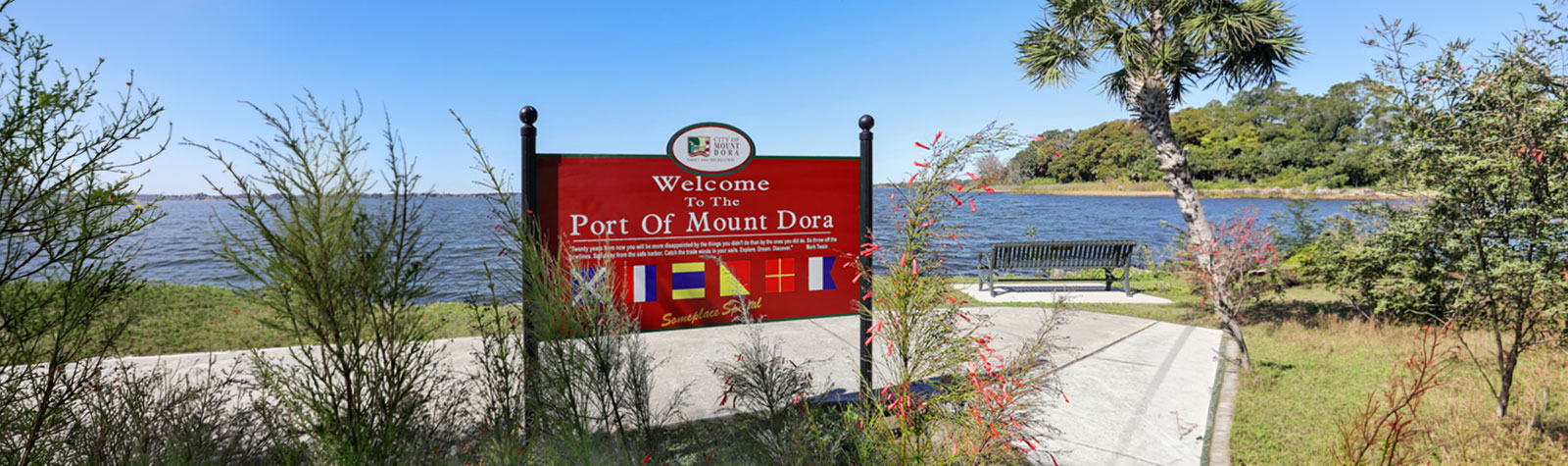
If you live in Mount Dora, Eustis, Tavares, Sorrento, or anywhere across Central Florida, you've likely chosen this area for a reason: the climate, the no-state-income-tax benefit, or perhaps a lifestyle worth settling into for the long haul. Making that lifestyle last through retirement takes more than good savings habits. It takes a plan built around your numbers, your timeline, and the specific advantages of retiring in Florida.
Why Florida Is a Smart Place to Retire (and the Planning It Requires)
Florida consistently ranks among the best states for retirees, and the financial reasons are real. But "tax-friendly" doesn't mean "plan-free." The advantages only work in your favor if your broader strategy is built to capture them.
No state income tax
Florida has no state income tax. That means your Social Security benefits, pension income, IRA and 401(k) withdrawals, and investment income are not taxed at the state level. For a retiree drawing six figures from various accounts, the savings here versus a high-tax state can be substantial.
However, withdrawals from traditional retirement accounts are still taxable at the federal level, and how you sequence those withdrawals can meaningfully change what you owe over a 30-year retirement. The state tax break is a head start, not the whole race.
Cost of living in Mount Dora and surrounding areas
Central Florida remains more affordable than many coastal retirement markets, but the Mount Dora area has seen real growth in home values and everyday costs. A realistic retirement budget should reflect today's local prices, not the ones from when you first moved here.
When Should You Start Retirement Planning?
The honest answer: earlier than most people do. The decade before retirement, roughly ages 55 to 65, is when the highest-impact decisions get made. That's the window to fine-tune savings, model income scenarios, and make tax moves while you still have flexibility. If you're within ten years of retiring and haven't built a formal plan, now is the time.
A Pre-Retirement Checklist for Central Florida Residents
Estimating your retirement income needs
Start with what you actually spend and then adjust for how retirement changes it. Travel costs may rise, commuting costs typically fall, and healthcare typically climbs. A common rule of thumb targets 70% to 80% of pre-retirement income, but your number is your number. Build the estimate from real expenses.
Social Security timing decisions
You can claim Social Security as early as age 62 or delay to age 70, and the difference is significant: waiting increases your benefit by roughly 8% per year past full retirement age. The right choice depends on your health, your other income sources, and whether you're coordinating benefits with a spouse. This is one decision that's very hard to undo.
Healthcare and Medicare considerations
Medicare eligibility begins at age 65. If you retire earlier, you'll need a plan to bridge the gap. Factor in premiums, supplemental coverage, and out-of-pocket costs. Healthcare is one of the largest and most underestimated retirement expenses.
Required Minimum Distributions and tax planning
Once you reach the Required Minimum Distribution (RMD) age, the IRS requires withdrawals from most tax-deferred accounts whether you need the money or not. Planning ahead and leveraging strategies like Roth conversions during lower-income years can soften the tax impact before RMDs begin.
Turning savings into reliable retirement income
Accumulating a nest egg is only half the work. The harder half is converting it into dependable monthly income that lasts. That means deciding which accounts to draw from first, how much to withdraw safely each year, and how to keep your portfolio positioned for both stability and growth. A thoughtful withdrawal strategy can extend how long your money lasts and reduce lifetime taxes.
Common Retirement Planning Mistakes to Avoid
- Claiming Social Security without a strategy. Defaulting to age 62 can cost tens of thousands of dollars over a lifetime.
- Ignoring tax sequencing. Pulling from the wrong accounts in the wrong order inflates your tax bill.
- Underestimating longevity. Planning to age 85 when many retirees live well into their 90s leaves a dangerous gap.
- Going it alone with a portfolio built for accumulation, not income. The strategy that grew your wealth isn't always the one that protects it.
Planning With an Advisor Who Knows Your Community
National firms offer scale. What they often can't offer is an advisor who understands Central Florida's cost of living, knows the local landscape, and is genuinely accessible when you have a question. At First National Bank of Mount Dora, we build retirement plans around your life, with the stability of an institution that has served Lake County families for decades and the personal relationship you can't get from a call center.
Frequently-Asked Questions
How much money do I need to retire comfortably in Florida? There's no universal figure. It depends on your spending, income sources, and how long your retirement lasts. The right approach is to build an estimate from your actual expenses and model it against your savings and Social Security. A personalized review gives you a real number rather than a guess.
Does Florida tax retirement income? No. Florida has no state income tax, so Social Security, pensions, and retirement account withdrawals are not taxed at the state level. Federal taxes still apply.
When should I start working with a retirement planner? Ideally within ten years of your target retirement date. The years just before retirement carry the highest-impact decisions, and planning early gives you flexibility you lose once you've stopped working.
How do I create reliable income in retirement? Through a withdrawal strategy that decides which accounts to draw from, in what order, and at what rate, balanced against keeping your portfolio positioned for longevity and tax efficiency.
What's the difference between retirement planning and investment management? Investment management focuses on growing and protecting your portfolio. Retirement planning is broader. It coordinates income, taxes, Social Security, healthcare, and legacy goals into one strategy. The two work best together.
Ready to see where you stand?
Get a personalized retirement readiness review with an advisor from First National Bank of Mount Dora who can show you exactly where you are and recommend what to do next. Call us at 352-383-2111.
Trust and Investment Services are not FDIC insured, not deposits of the Bank, not guaranteed by the Bank, not insured by any government agency, and may lose value.